Samsung Galaxy Z Fold 8 Review: The New Shape Changes Who Should Buy It
I've spent four years moaning about Samsung battery life. Then Samsung put me on a boat down the Thames with the Galaxy Z Fold 8, kept me out until nearly midnight, and I got home without plugging in once.
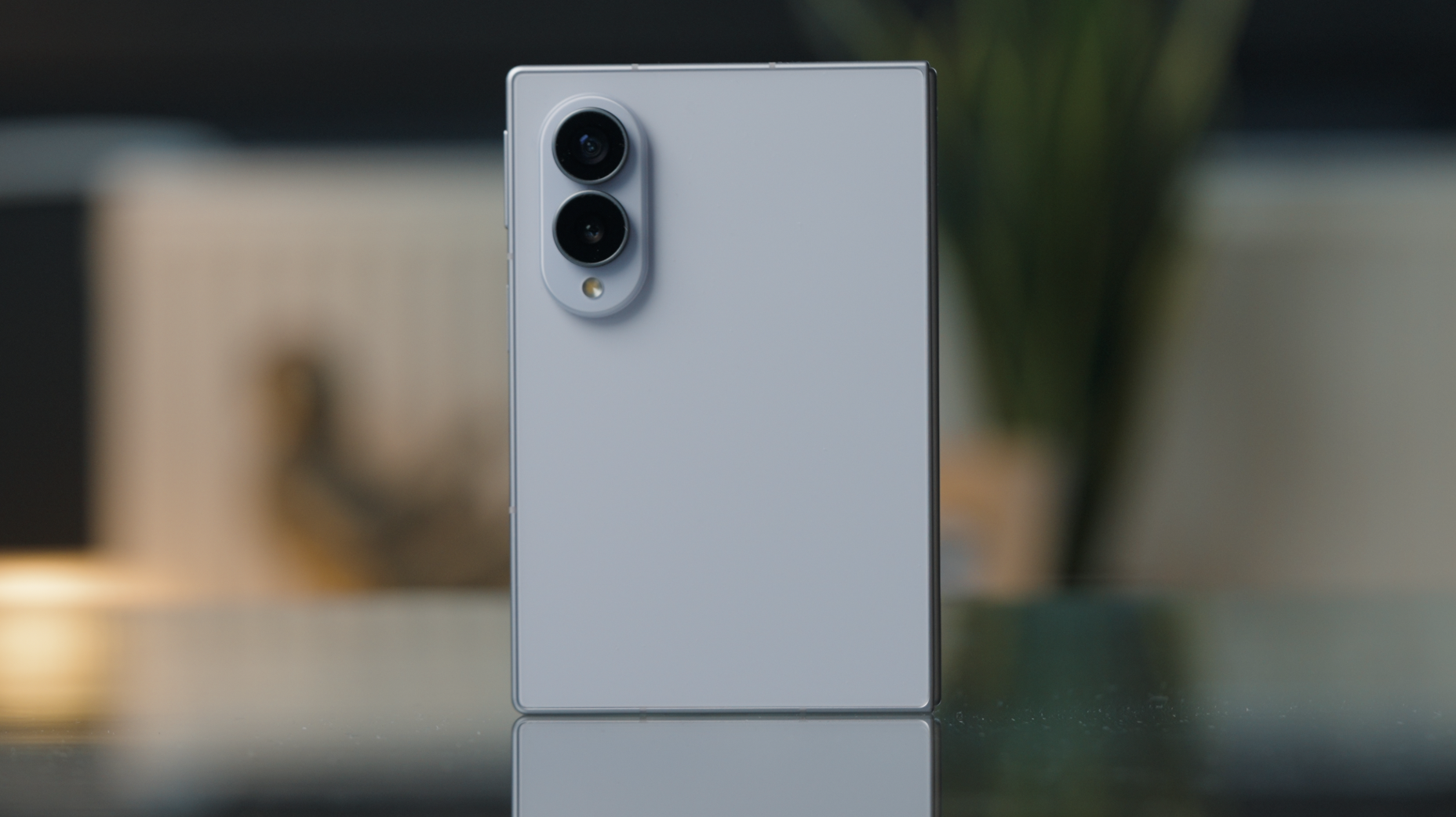
Samsung Galaxy Z Fold 8 - Violet
That's the headline. The rest of this Galaxy Z Fold 8 review is about the trade-offs Samsung made to get there, because there are three of them and one is going to be a dealbreaker for a lot of people.
Short version: if your phone is mostly a screen you look at, this is the most interesting phone Samsung have made in years. If you live in split screen, need camera reach, or loved Flex Mode, buy something else. I'll tell you what.
Galaxy Z Fold 8 at a glance
Buy it if: you watch, scroll, read and look at photos on your phone. You want a foldable that survives a long day. You want the lightest, easiest-to-open Fold yet.
Skip it if: you multitask hard with two or more apps, you need optical zoom, you used Flex Mode daily, or you still want the S Pen. Multitasking is possible on this device and better than most slab phones, but if you are considering this for work, the Fold 8 Ultra may be a better choice for you.
Price: $1,899 / £1,699 for 256GB. Pre-orders are live now, on sale 7 August 2026.
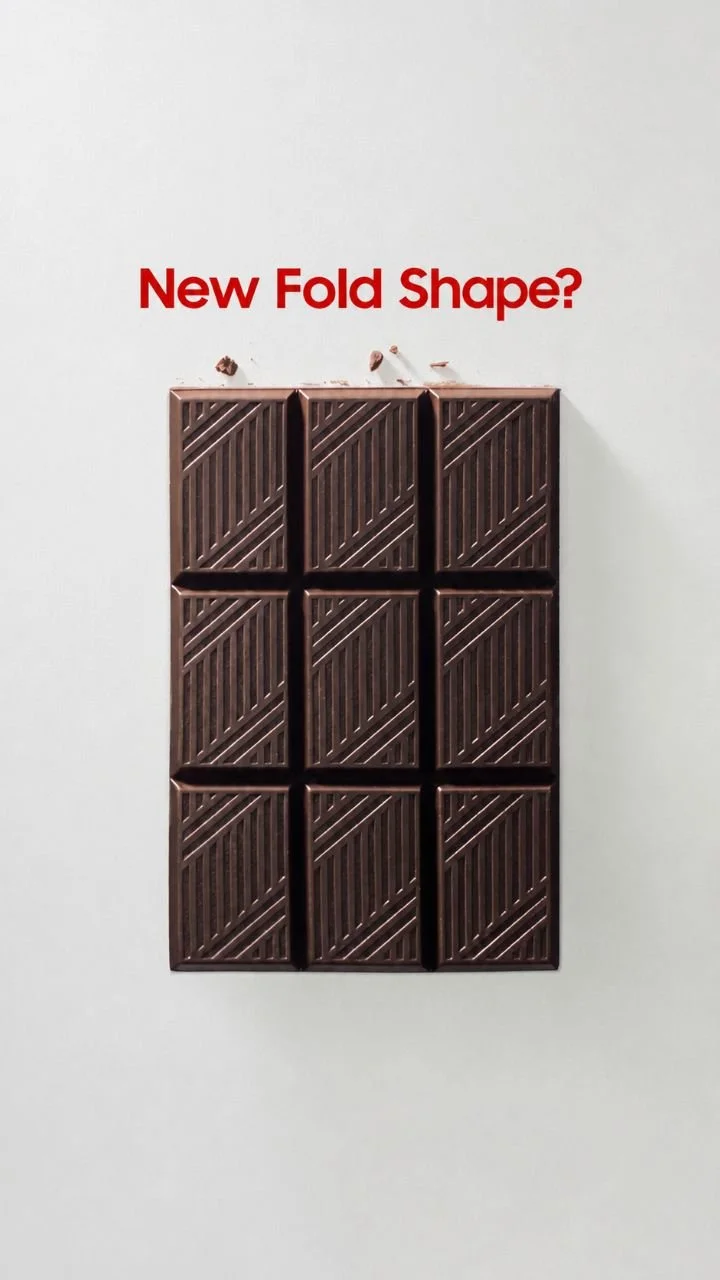
The new shape: a 4:3 inner screen changes what this phone is
For six years the Fold sold itself as a laptop that folds into a phone. Tall, narrow, two apps side by side on the train. This one is a telly that folds into a phone

Samsung Galaxy Z Fold 8 Open in 4:3 portrait orientation
The inner screen is 7.6 inches at 4:3. Not tall and thin, squarer. The cover screen is 5.5 inches at 10:16, which is a proper phone shape you can use one-handed without doing gymnastics. The whole thing weighs 201g, making it the lightest Fold Samsung have built.
At the launch event I didn't like it. It looked squat, like a phone somebody had sat on. Then I lived with it, and it won me over in a place I wasn't expecting: not at my desk, not on the train, but on the sofa in the evening. A photo filling that 4:3 screen edge to edge with no letterboxing is the single nicest thing about this phone.
If you use a foldable primarily to have two apps open at once, understand that Samsung have moved away from you with this model. That's what the Ultra is for now.
Display: brighter, and finally anti-reflective
Both screens hit 3,000 nits peak, up from 2,600 on the Fold 7. More usefully, Samsung have put an anti-reflective layer into the display stack.
That matters more on a foldable than on anything else, because a big flat inner panel catches every light source in the room. Out on open water in the middle of the day I could actually read it. Reflections don't vanish, they just stop being the first thing you notice.
Cameras: excellent in low light, but there's no telephoto
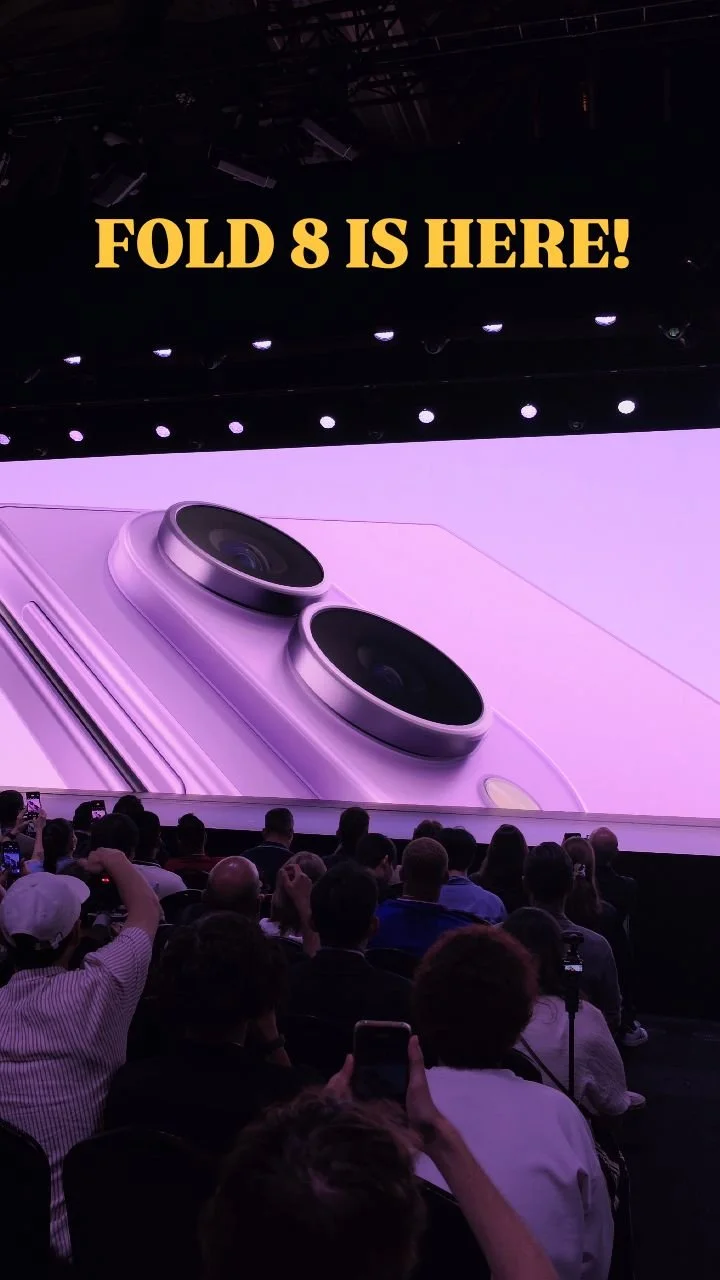
Two 50MP sensors, main and ultrawide. The main is f/1.8 with stabilisation, the ultrawide f/1.9. There is no telephoto. If you zoom, you're cropping, and on an $1,899 phone that stings.
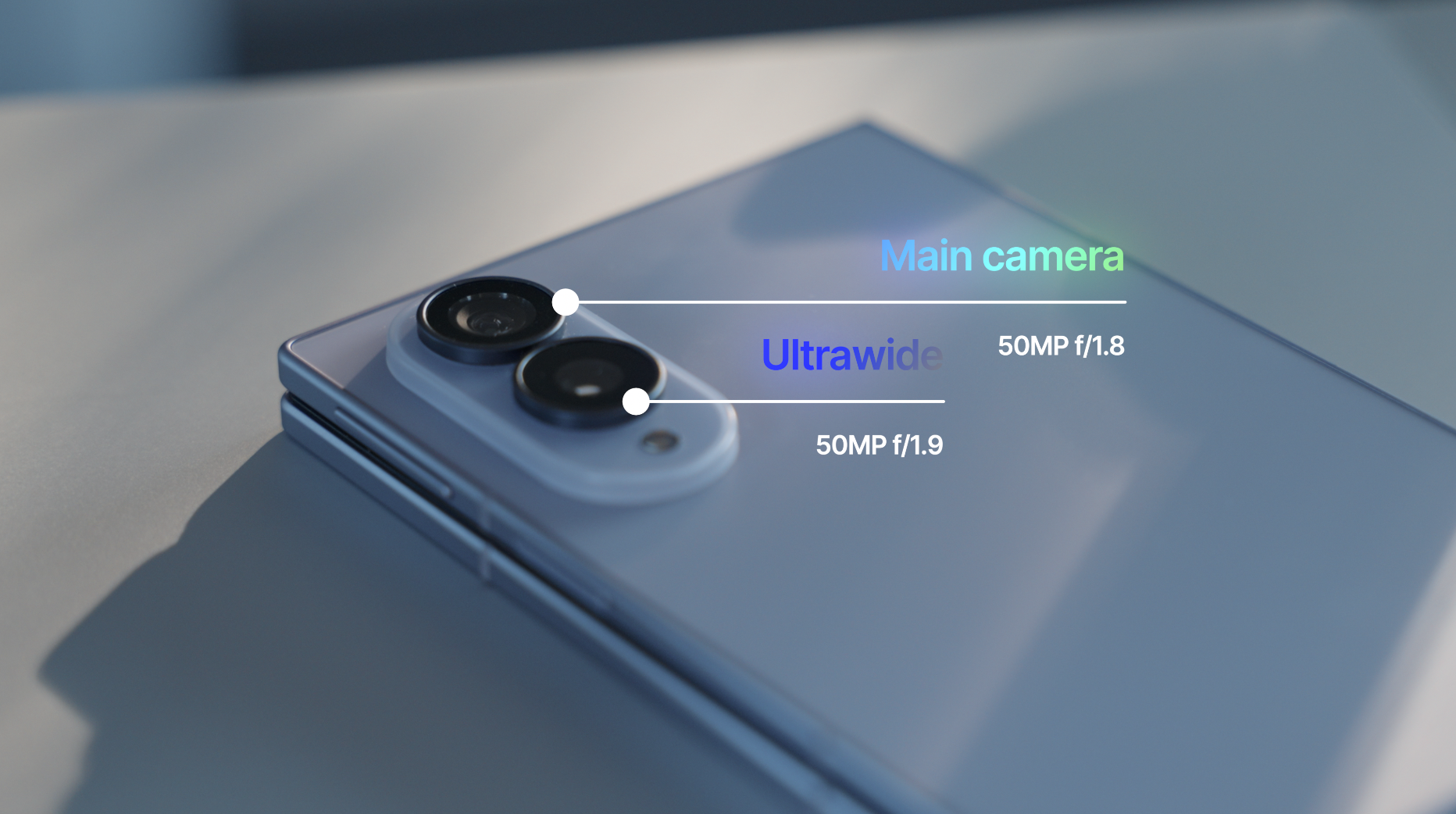
Samsung Galaxy Z Fold 8 - Cameras
Where it surprised me was the circus show I shot in the evening. Low light, moving performers, coloured stage lighting, roughly the worst conditions you can hand a phone camera. The Fold 8 held detail in the shadows without the grey wash you get when a phone panics, and skin tones looked like people rather than waxworks.
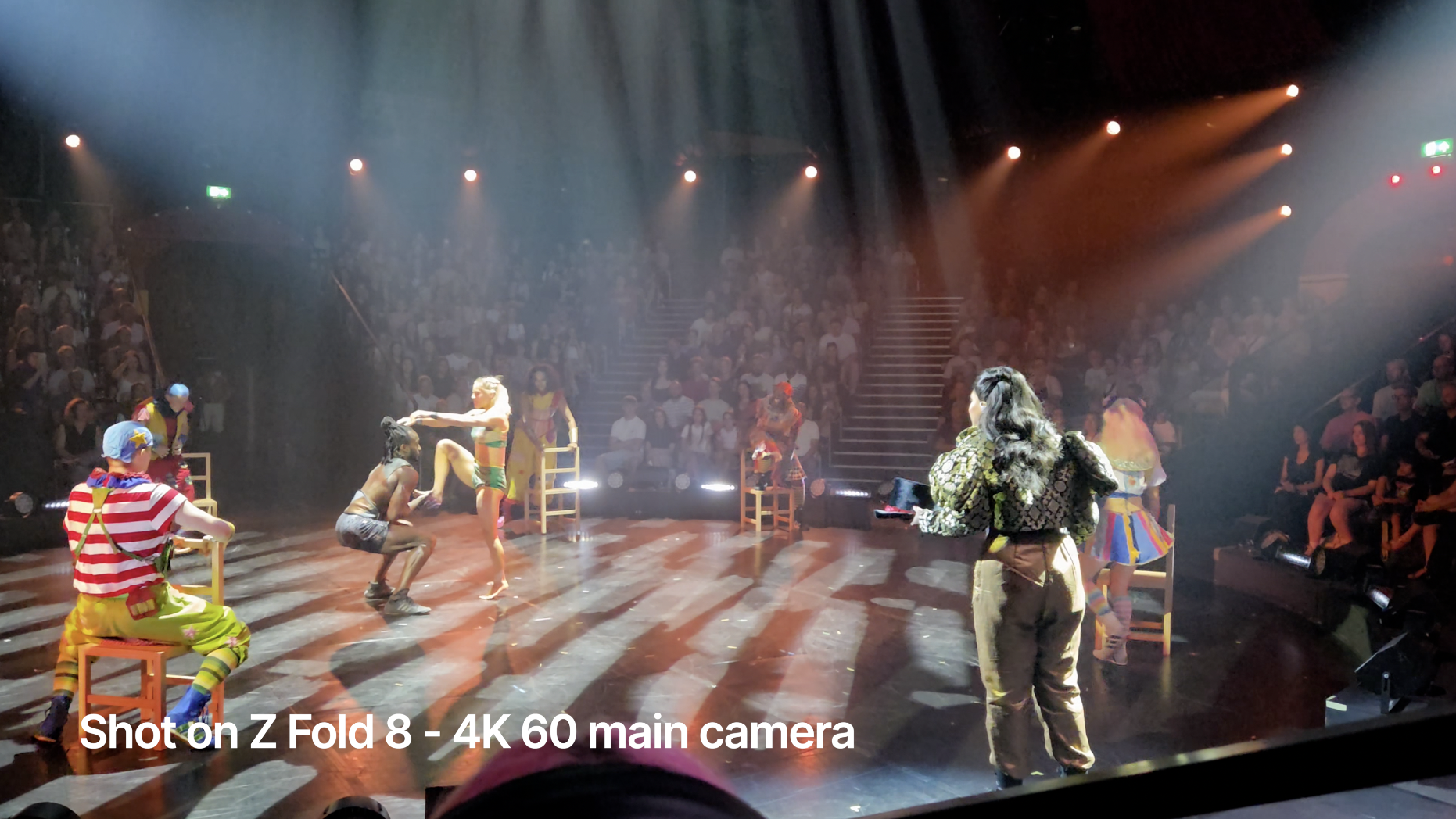
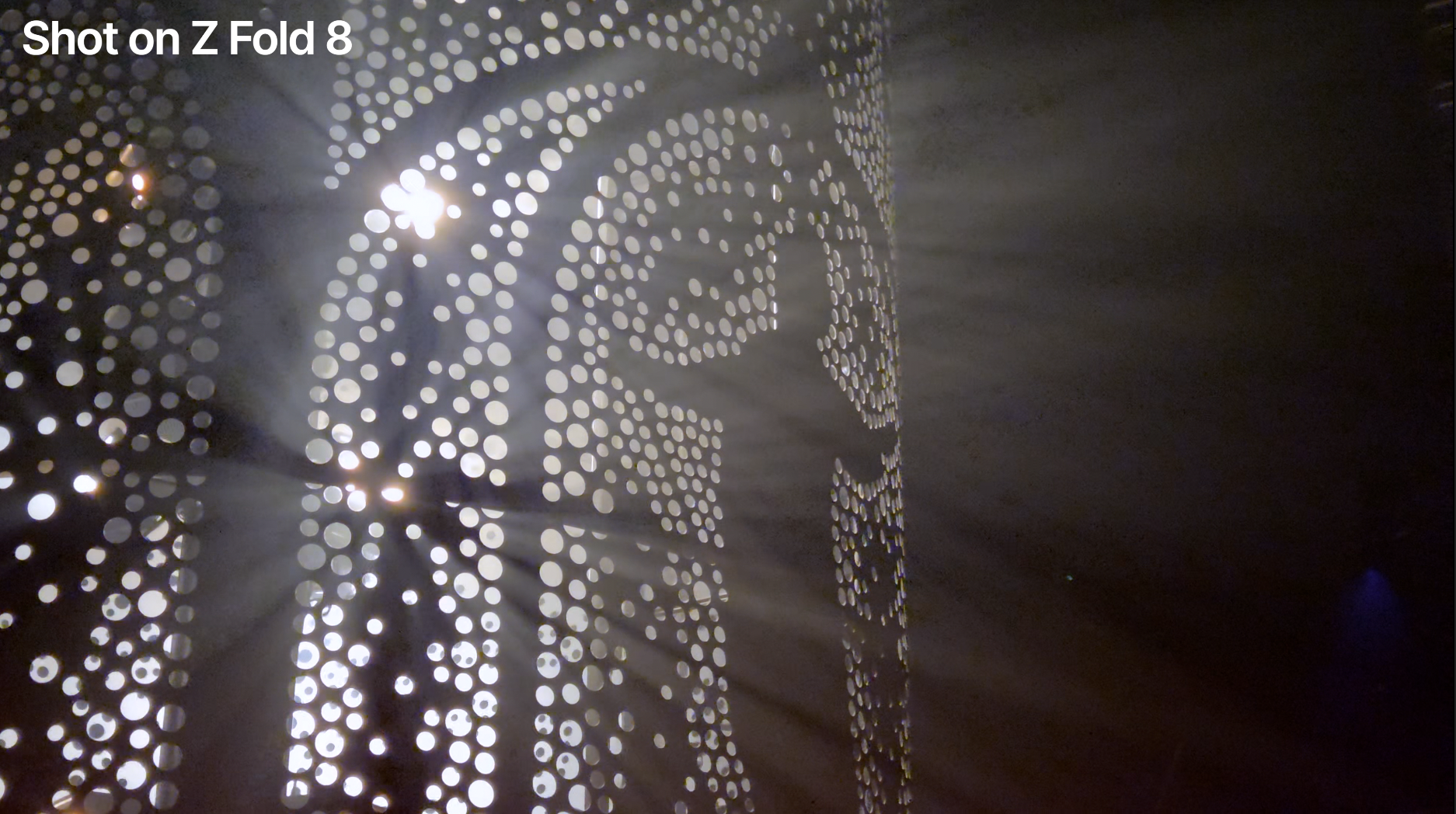
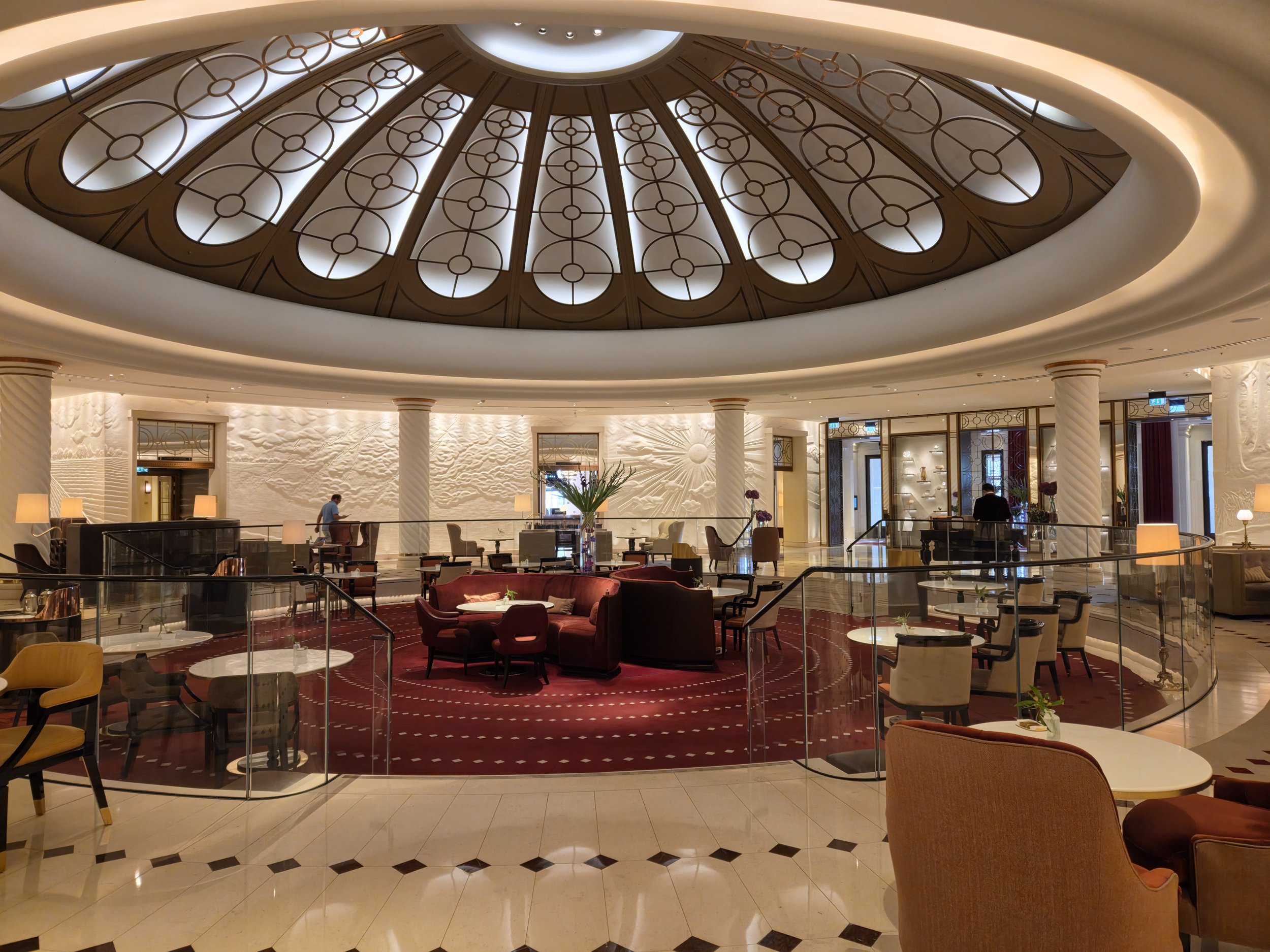
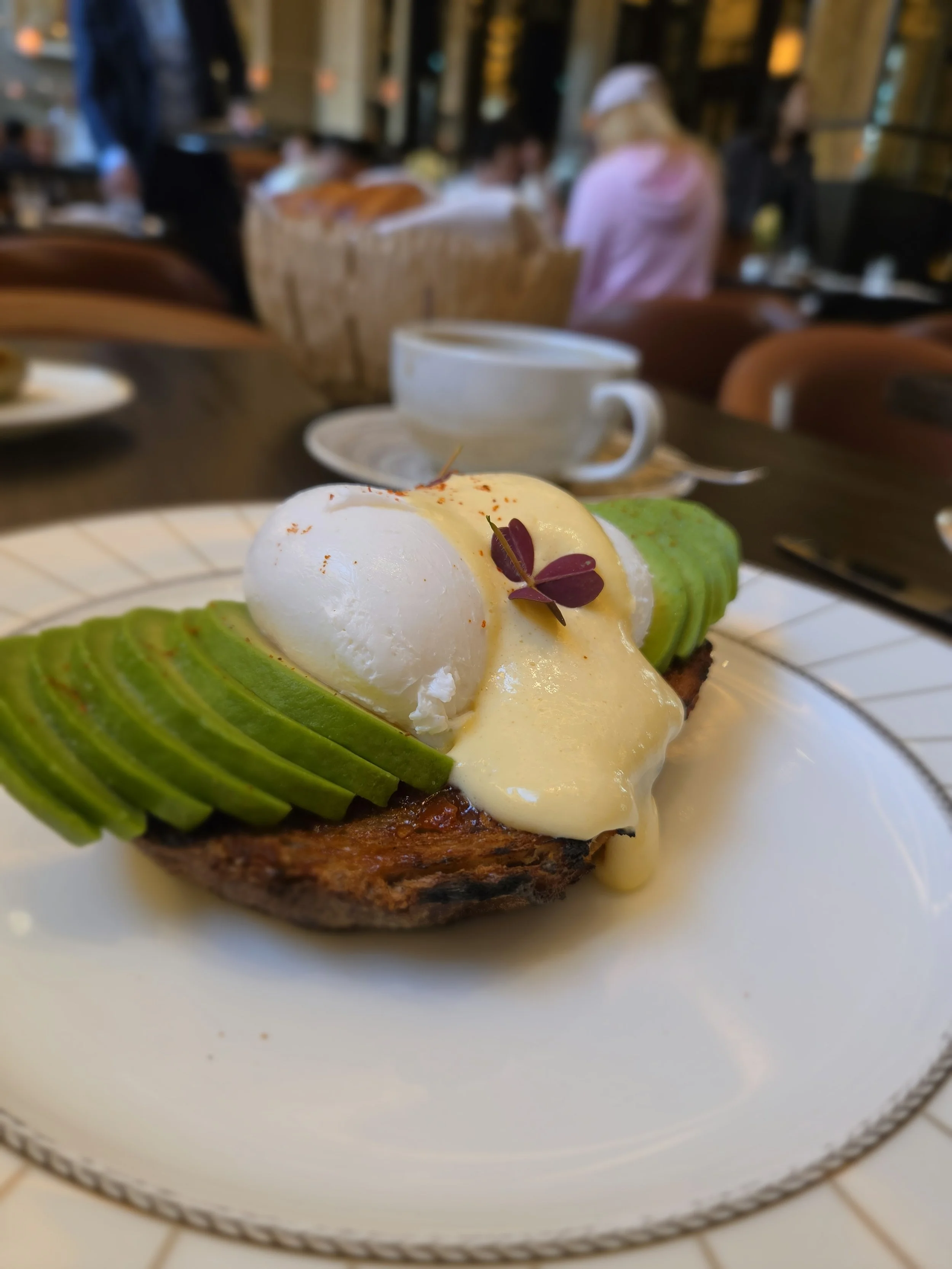
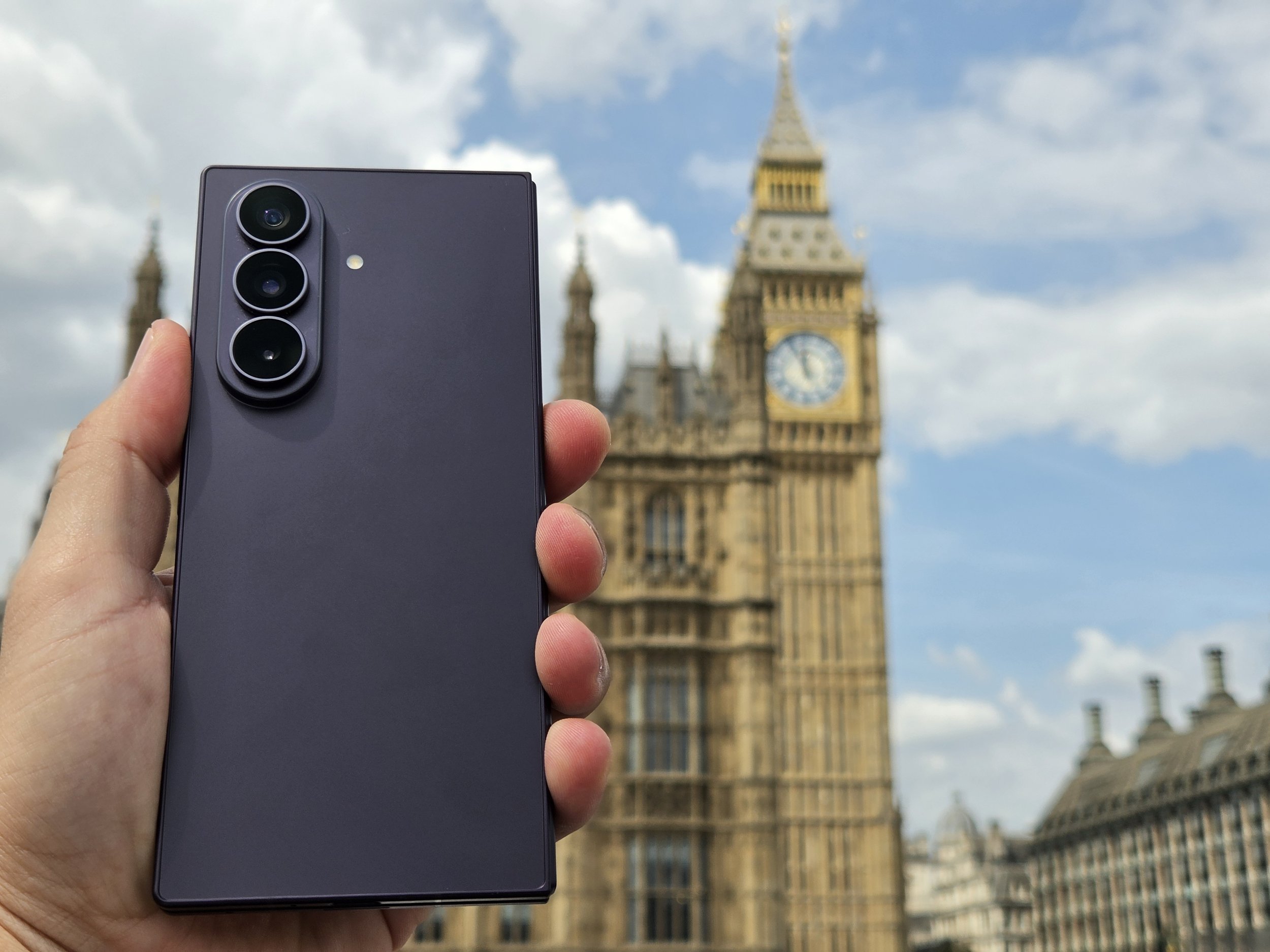
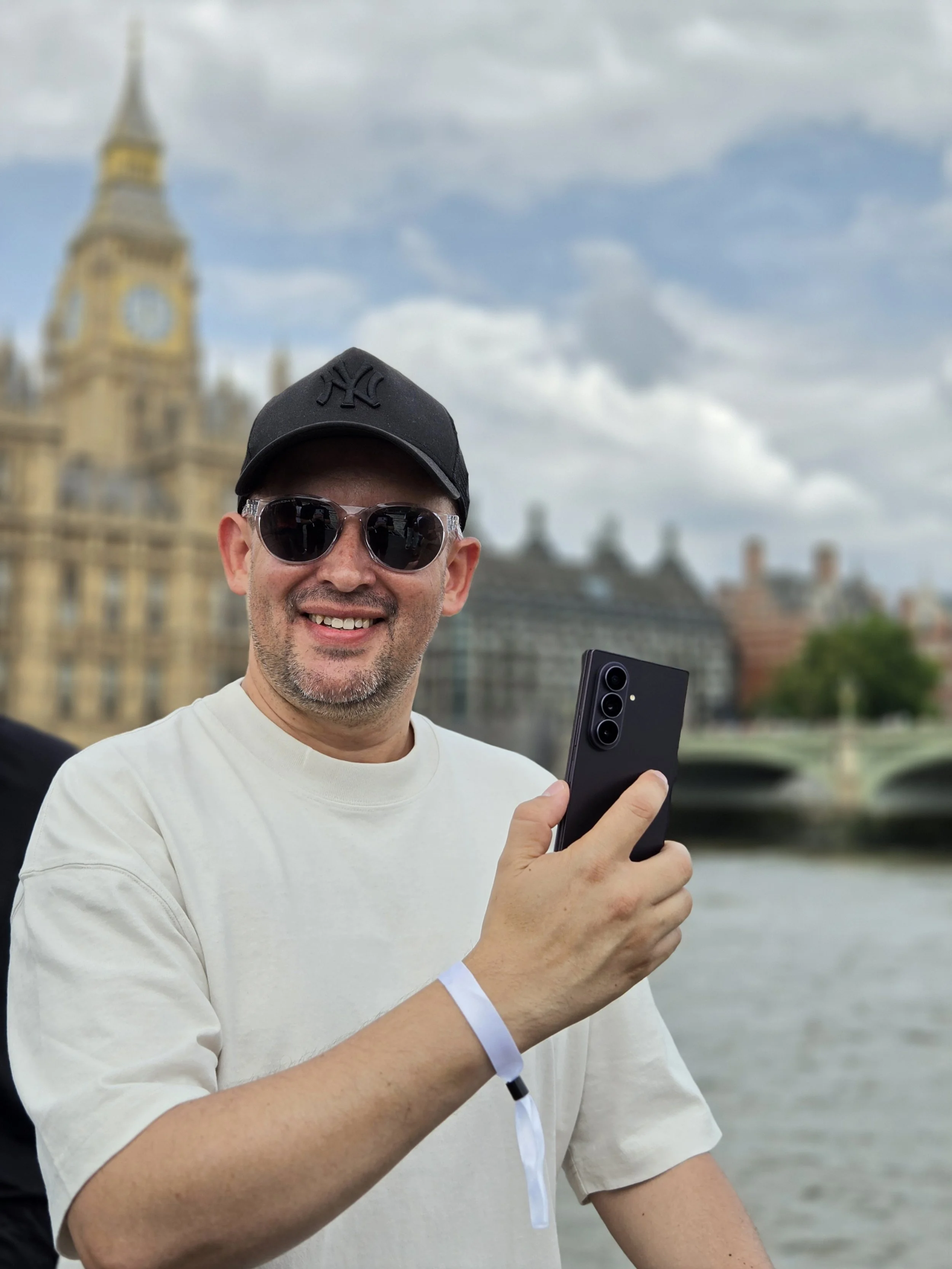
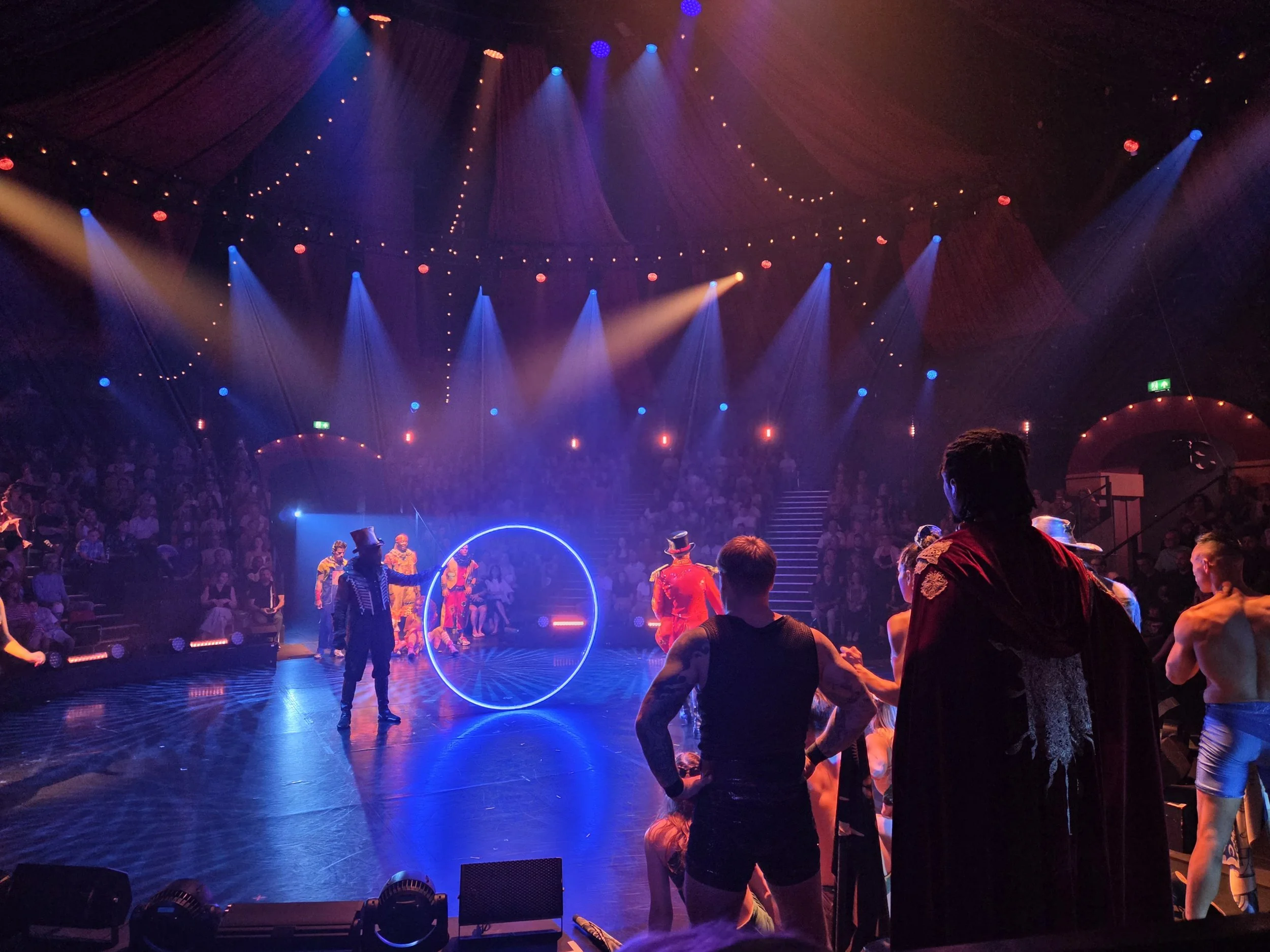

So: strong stills processing, genuinely good low light, but no telephoto reach. If you shoot from the back of gigs or across a garden, that gap will annoy you every time.
Galaxy Z Fold 8 battery life: the bit that changed my mind
The Fold 8 carries a 4,800mAh cell against the Fold 7's 4,400, in a phone that's physically smaller. More battery, less phone. Samsung say it's a silicon carbon cell.
Here's my caveat, and it's a real one. Samsung have told us the Z8 series uses silicon carbon… and then told us almost nothing else. No figure for how much silicon is in there, no published density gain over the Fold 7. Pushed on it, they talked about performance, longevity and safety rather than numbers. So I can't tell you this is a landmark chemistry leap, because they haven't shown their working.
What I can tell you is what happened. A full day of heavy use: filming, stills, social posts, back and forth between the cover screen and the inner screen for hours. I got home, made a cup of tea, sat down, and it was still going. I didn't plug it in until bed at around midnight. My S26 Ultra was in my pocket the whole day barely being touched, and it needed a top-up before the day was out.
Charging has moved too, at last. The Fold 7 was 25W. This is 45W wired, 20W wireless, and Qi2 ready. Samsung quote roughly 65% in half an hour from empty, which is a shower and a coffee.
One caution: it runs warm. Noticeably warm under heavy camera use, with a lot of stills and 4K on the go. Not alarming, but present. Cooling a foldable is a horrible engineering job and this is the thinnest Fold yet. I'm running longer thermal and sustained-load testing now and I'll update this article with measured numbers rather than guess at them.
Flex Mode is gone
Not buried in a menu. Gone. There is no Flex Mode setting on the Galaxy Z Fold 8. It's still on the Fold 8 Ultra and still on the Flip 8, but on this one it has been removed.
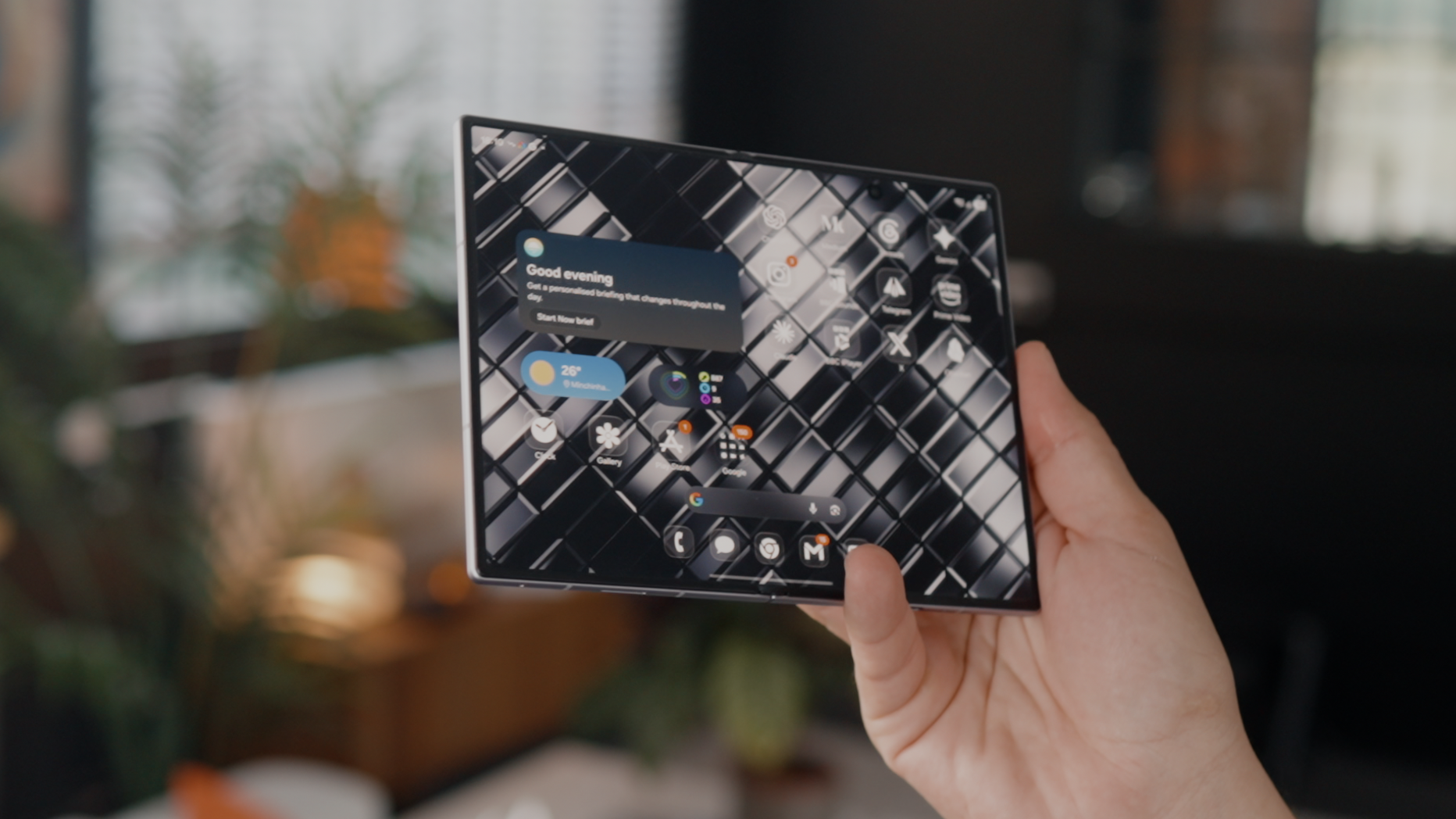
Samsung Galaxy Z Fold 8 - No Flex Mode
The reason appears to be the hinge. Samsung have gone after the crease, and the new Flex Titanium mechanism pops the phone fully open rather than holding it halfway. Credit where it's due: the crease is the best I've seen on a Samsung and the one-handed opening action is lovely. But that's the trade.
If you propped it up for video calls, used it as a cooking timer on the counter, or stood it on a table as a makeshift tripod, that workflow is finished. What you get instead is the cover screen working as a viewfinder so your subject can see themselves, Dual Recording capturing both cameras at once without cropping either, and the ability to stand it up on a surface to watch something. All useful. Flex Mode was nicer.
Still no S Pen
No digitiser in the panel, so no stylus at all, on either screen. Same as the Fold 7, and the Fold 8 Ultra doesn't have it either.
If the S Pen is the reason you bought a Fold in the first place, my advice is to keep the phone you've got, or look at what rival foldables are doing with stylus support. It isn't the S Pen, which was a far more capable bit of kit, but pen input beats no pen input.
Galaxy Z Fold 8 price UK and US, and the storage trap
$1,899 or £1,699 for 256GB. The Fold 7 launched at $1,999 / £1,799, so this is $100 and £100 cheaper than last year's Fold in a year when everything else went up.
You're paying less. You're also getting less. No telephoto, no Flex Mode. That's where the money went.
Now watch the storage, because this bit is nasty. Going from 256GB to 512GB costs you $200, which puts you at $2,099. That is exactly what the Galaxy Z Fold 8 Ultra costs. For the same money you can have the Ultra with its telephoto, Flex Mode, bigger screen and bigger battery, at half the storage. You can buy an enormous amount of cloud storage for £200. And 1TB is $2,499, which is $600 for storage. I've fallen for that upsell before and I'm not doing it twice.
RAM is 12GB on the 256GB and 512GB models, 16GB only on the 1TB.
Galaxy Z Fold 8 vs Fold 8 Ultra vs Fold 7
| Spec | Galaxy Z Fold 8 | Galaxy Z Fold 8 Ultra | Galaxy Z Fold 7 |
|---|---|---|---|
| Inner screen | 7.6in, 4:3 | 8in, higher resolution | Taller, narrower |
| Cover screen | 5.5in, 10:16 | Taller, narrower | Taller, narrower |
| Peak brightness | 3,000 nits | Brighter than Fold 8 | 2,600 nits |
| Weight | 201g | 215g | 215g |
| Cameras | 50MP main + 50MP ultrawide, no telephoto | 200MP main, telephoto included | Telephoto included |
| Battery | 4,800mAh, silicon carbon | Larger, 27hr video playback | 4,400mAh |
| Charging | 45W wired, ~65% in 30 min | 67% in 30 min | 25W wired |
| Flex Mode | No | Yes | Yes |
| S Pen | No | No | No |
| Price (256GB) | $1,899 / £1,699 | $2,099 / £1,899 | $1,999 / £1,799 at launch |
Verdict
Buy the Galaxy Z Fold 8 if your phone is mostly a screen you look at. Films, YouTube, social, photos, e-books, sat on the sofa in the evening. That 4:3 inner screen plus a battery that finally lasts makes it an easy recommendation at £1,699, and it's the first Samsung foldable I've used where I stopped thinking about the charger.
Skip it if you multitask hard, need camera reach, relied on Flex Mode, or want a stylus. Go to the Ultra or stay on what you've got.
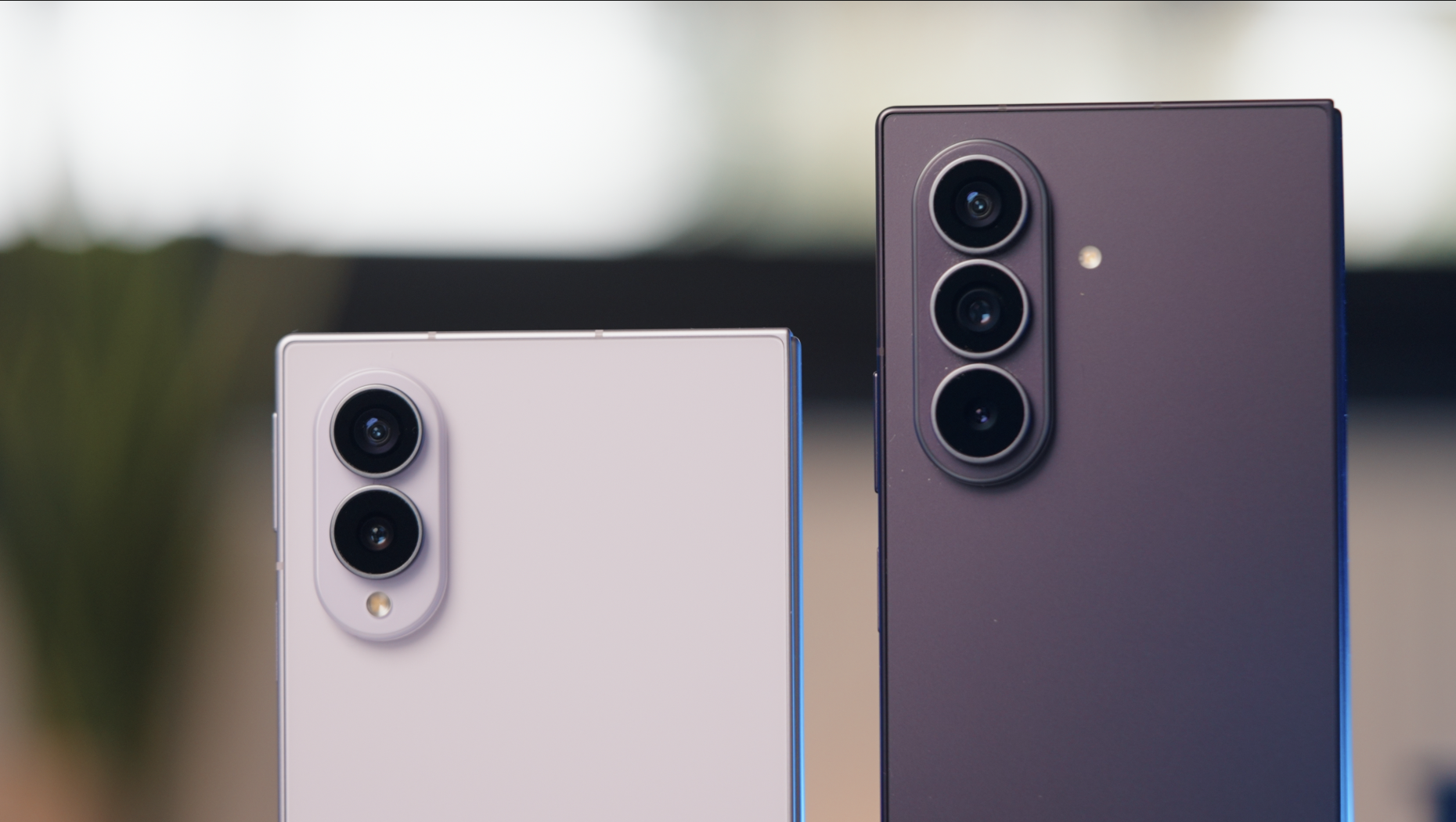
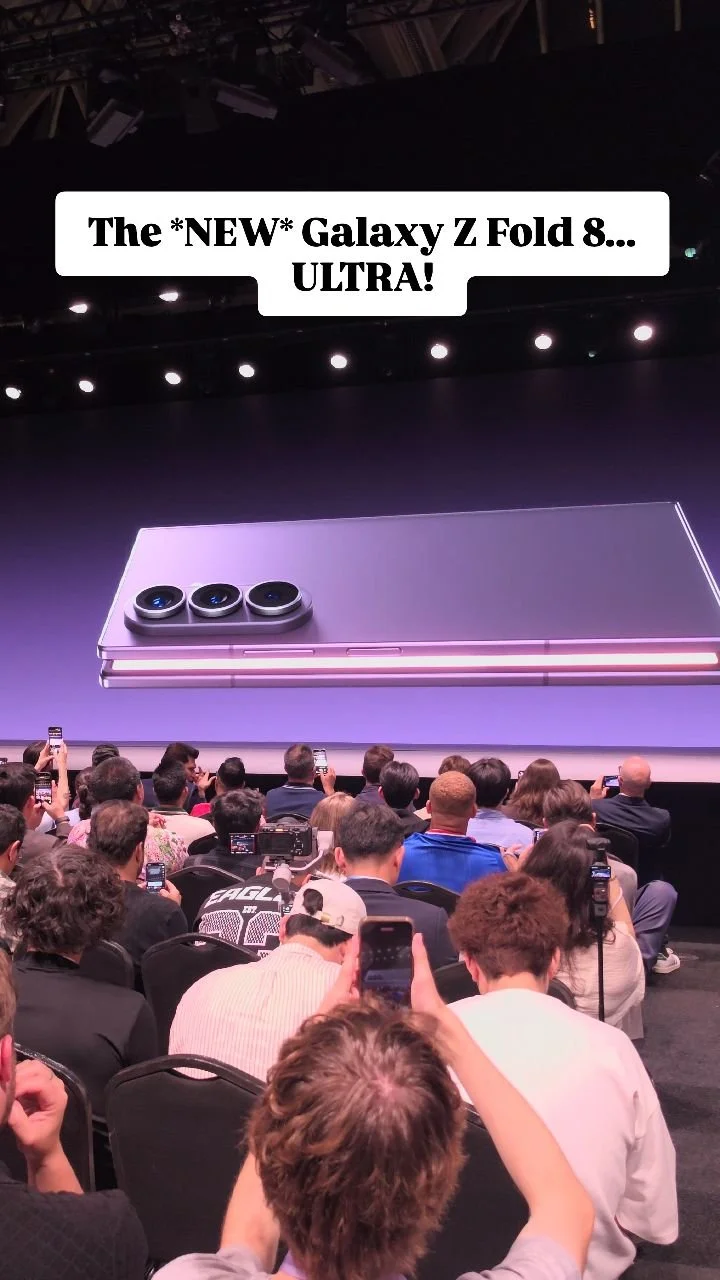
Samsung Galaxy Z Fold 8 and Galaxy Z Fold 8 Ultra
And a personal note: this shape deserved the Ultra treatment. Give the 4:3 screen a telephoto and Flex Mode and you'd have something special. I suspect Samsung are waiting to see whether it sells. If it does, I think we get exactly that next year.
One last thing if you're buying in the US: don't pay full price. Trade-in offers at launch are up to $1,200 off at Samsung on an eligible device, and higher on some networks if you're adding a line. UK trade-ins are strong too, though not at that level.
FAQ
Does the Galaxy Z Fold 8 have Flex Mode?
No. Flex Mode has been removed from the Galaxy Z Fold 8. The new Flex Titanium hinge pops the phone fully open instead of holding it at an angle. Flex Mode is still available on the Galaxy Z Fold 8 Ultra and the Galaxy Z Flip 8.
How much is the Galaxy Z Fold 8 in the UK?
£1,699 for the 256GB model, which is £100 less than the Fold 7 launched at. The Galaxy Z Fold 8 Ultra is £1,899 for 256GB. Pre-orders are open now and it goes on sale on 7 August 2026.
Does the Galaxy Z Fold 8 have a telephoto camera?
No. It has two 50MP cameras, a main and an ultrawide. Any zoom is a digital crop. If optical reach matters to you, the Fold 8 Ultra keeps a dedicated telephoto.
Is the Galaxy Z Fold 8 better than the Fold 8 Ultra?
It depends entirely on how you use a foldable. The Fold 8 is lighter, cheaper and better for watching and viewing thanks to the 4:3 inner screen. The Ultra is the productivity phone, with a bigger 8-inch panel, a telephoto, Flex Mode and longer battery life. Note that a 512GB Fold 8 costs the same as a 256GB Ultra.
Is the Galaxy Z Fold 8 battery actually better?
In real use, yes. It's a 4,800mAh cell against the Fold 7's 4,400, in a smaller body, and it got me through a heavy 16-hour day with filming and photography without a top-up. Samsung describe it as silicon carbon but haven't published the density figures, so treat the chemistry claims with a bit of scepticism and judge it on runtime.
Behind The Lens is my free newsletter, where the shots that didn't make the cut and what I'm testing next live. The Fold 8 Ultra is on my desk right now and subscribers see those results first. Sign up here.
You can also find me on YouTube and Instagram if you'd rather watch than read.